
Fixing Sagging Gutters Before Fall: A Mid-Summer Priority
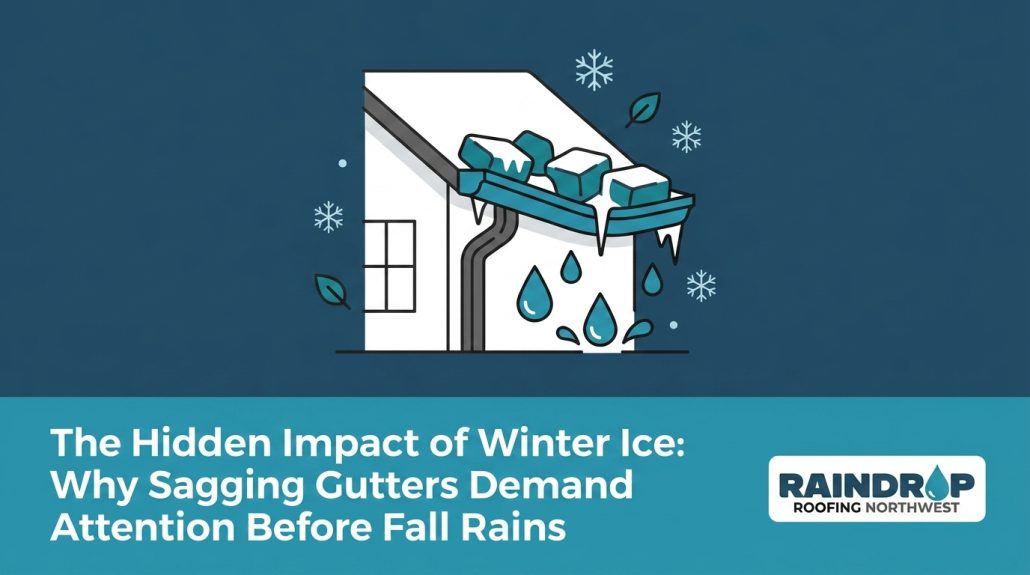
The Silent Threat Lurking on Your Roofline
That slight dip along your roofline might not look like an emergency right now, but fixing sagging gutters before fall: a mid-summer priority is the only way to protect your home from severe water damage later this year. You might assume that because your home survived the harsh winter storms, your exterior drainage system is completely fine. However, winter weather has a delayed impact. Gutters that endured heavy freezing events often sustain hidden damage that doesn’t become obvious until months later. As the structural fasteners slowly pull away from the fascia board, your home loses its primary defense against water intrusion.
If you need comprehensive roofing and exterior services, now is the time to schedule a gutter inspection.
Many homeowners in the Beaverton and greater Portland area do not realize their gutters are compromised until the heavy autumn downpours arrive. By then, water is already overflowing, pooling around the foundation, and seeping into the roofline. Taking proactive steps during the dry July weather prevents these stressful emergency calls. When the weather is clear and predictable, professionals can safely assess the damage, re-secure the system, and ensure everything is properly aligned before the first major storm hits.
The delayed realization of winter damage:
- Hidden metal fatigue: Hangers and spikes slowly weaken over months, not overnight.
- Dry weather masking: Without active rain, improper slopes go unnoticed.
- Gradual detachment: A millimeter of separation in spring becomes a massive gap by late summer.
How Winter Ice Storms Compromise Gutter Integrity
To understand why your gutters are sagging in the middle of summer, you have to look back at the severe winter ice storms specific to the Beaverton and greater Portland area. When freezing rain and sleet accumulate in your drainage system, the physical stress is immense. A single gallon of water weighs a massive 8.34 pounds. When that water freezes solid inside a standard 30-foot gutter run, the added weight can easily exceed several hundred pounds of sustained, dead weight pulling down on the roofline.
This immense burden forces the metal to warp and bends the structural supports out of alignment. Because the ice remains trapped for days or weeks, the strain is continuous. The damage often goes entirely unnoticed during the spring showers because the system can still handle light precipitation. It is only when the dry season arrives, exposing uneven lines and wide gaps, that the true extent of the winter damage becomes visible.
The Stress on Gutter Hangers and Spikes
Modern gutters rely on hidden hangers or traditional spikes to stay firmly attached to your home’s fascia board. These fasteners are designed to handle the dynamic flow of rushing water, not the static, crushing weight of solid ice blocks. Under the prolonged stress of frozen precipitation, the metal components experience severe fatigue.
What happens to the hardware under ice stress:
- Bent hangers: The internal brackets warp downward, permanently altering the slope.
- Loosened spikes: The long nails pull out of the wood slightly, creating a gap behind the gutter.
- Stripped screws: Threaded fasteners rip through the wood grain, losing their grip entirely.
- Distorted channels: The aluminum or steel trough physically twists, preventing water from flowing straight.
Once this metal fatigue occurs, the system cannot heal itself. Even after the ice melts, the structural integrity is permanently compromised, leaving your home vulnerable to the next heavy rainfall.

Spotting Sagging Gutters and Pitch Issues Safely
You do not need to climb a ladder to determine if last winter’s ice storms damaged your exterior. In fact, climbing a ladder to check a potentially unstable roofline is dangerous. You can spot the warning signs of sagging gutters and pitch issues safely from the ground. Walk around your property on a clear day and look up at the roofline from a few different angles.
One Portland homeowner reached out during a heavy fall rainstorm when moisture damage suddenly appeared under their eaves. The root cause traced back to a moss-damaged roof and old, failing gutters that had pulled away from the fascia. The solution required replacing both the roof and the gutters entirely to resolve the moisture issues and provide durable protection. Catching these visual cues early can prevent similar extensive moisture damage.
What to look for from the safety of your driveway:
- Visible gaps: Look for daylight shining between the back of the gutter and the wooden fascia board.
- Uneven rooflines: Check if certain sections of the gutter appear to dip in the middle or look wavy.
- Water marks on siding: Stains, peeling paint, or discoloration directly beneath the roofline indicate overflow.
- Sagging corners: The corners where two gutter runs meet are highly susceptible to dropping under heavy weight.
- Standing water evidence: If you see mosquitoes swarming near the roofline during dry periods, water is trapped up there.
If you spot any of these visual cues, it means the slope is compromised. The system is no longer catching and diverting water properly, which sets the stage for severe structural rot.
Why Standing Water Destroys Fascia Boards
A properly functioning gutter system relies on gravity. To ensure water flows steadily toward the downspouts, the trough must maintain a precise slope—typically a 1/2 inch drop for every 10 feet of run. When bent hangers disrupt this necessary drop, the water stops flowing. Instead of draining away, it pools in the sagging sections. This standing water is incredibly destructive to the wooden components of your roofline.
When heavy seasonal rains return, these sagging sections fill up rapidly. Because the water cannot flow to the downspout, it overflows. While some water spills over the front edge, much of it overflows backward, directly against the wooden fascia board. This constant exposure to moisture accelerates wood rot, softening the boards that hold your roof together. Addressing this vulnerability during the dry July weather is critical before the autumn downpours arrive.
The Hidden Cost of Wood Rot
Fascia board rot is rarely an isolated problem. Wood acts like a sponge, drawing moisture upward and inward. What starts as a small soft spot behind a sagging gutter quickly spreads to the soffit (the underside of your roof overhang) and eventually into the roof decking itself.
| The Progression of Roofline Damage | Structural Impact |
|---|---|
| Stage 1: Pooling Water | Stagnant water sits in the trough, adding constant weight and attracting pests. |
| Stage 2: Backward Overflow | Water spills over the back edge, soaking the painted fascia board continuously. |
| Stage 3: Surface Rot | The paint peels away, and the outer layer of wood becomes soft and spongy. |
| Stage 4: Deep Structural Rot | Moisture penetrates the soffit and roof decking, compromising the entire roof edge. |
Once the wood rots, the gutter fasteners have nothing solid to bite into. The system pulls further away, accelerating the cycle of damage. Replacing rotted wood across your entire roofline is significantly more intensive—and disruptive—than simply having a professional re-pitch a slightly sagging gutter.
Why Mid-Summer is the Optimal Window for Exterior Repairs
Timing your home maintenance is just as important as the maintenance itself. Mid-summer is the absolute best time to address roofline issues. Historically low precipitation in mid-summer creates the safest possible conditions for elevated exterior work. When the weather is dry and predictable, professionals can safely operate on ladders and roof edges without the hazard of slick, rain-soaked surfaces.
Beyond safety, dry weather allows for a much more accurate assessment of your home’s structural health. When the fascia boards are completely dry, professionals can easily identify soft spots, secure new fasteners into solid wood, and apply sealants that require zero moisture to cure properly. This is also the ideal time to check for other seasonal vulnerabilities, such as summer storm roof damage from fallen branches or high winds.
There is also a major logistical advantage to scheduling this work now. Every autumn, thousands of homeowners discover their gutters are failing on the exact same day—the first major downpour of the season. By taking action in July, you avoid the massive autumn rush, ensuring your home is fully protected long before the emergency calls begin flooding in.
The Precision of Professional Gutter Re-Pitching
Fixing a sagging drainage system is not a matter of simply pushing the metal back into place. It requires the exact science of calibrating gutter slope to handle extreme water volume. If the pitch is too shallow, water pools. If the pitch is too steep, water rushes too quickly, overshooting the downspouts entirely. This is why attempting DIY repairs is highly discouraged. Improper pitching often worsens the water pooling, and working at dangerous heights without proper safety equipment puts you at severe risk.
Local homeowners frequently search for reliable gutter repair beaverton solutions because they understand that Pacific Northwest weather demands precision. Working with local Beaverton roofing experts ensures your system is calibrated by professionals who specifically understand how to calculate and set gutter pitch to handle the extreme volume of autumn rainfall in our region.
Calibrating for High-Volume Rainfall
A drainage system in this region must be tuned to handle roughly 40 inches of annual precipitation, with the vast majority falling in a concentrated window between October and April. This immense volume of water requires a perfectly calibrated pathway.
The difference between adjustments and full re-pitching:
- Minor adjustments: Tightening a few loose spikes or replacing a single broken hanger on an otherwise healthy run.
- Full re-pitching: Detaching an entire section of warped gutter, replacing all damaged hangers, and completely recalculating the slope from end to end.
- Fascia reinforcement: Removing rotted wood sections and installing solid backing before reattaching the metal trough.
Professionals have the correct tools to replace damaged hangers, measure the drop with precision levels, and ensure secure fastening into healthy wood so the system can withstand the coming storms.
Securing Your Home Against Pacific Northwest Fall Rains
The transition from dry summers to heavy autumn downpours in the Pacific Northwest is often abrupt. One week you are enjoying clear skies, and the next, your home is being battered by relentless rain. Properly sloped and secured gutters are your home’s first line of defense during this drastic weather shift. They protect not just the edge of the roof, but the siding, the foundation, and the landscaping directly below.
One local homeowner experienced a minor leak in their 14-year-old roof during the fall. Because they reached out quickly, a professional was able to repair the leak and proactively address hidden gutter and caulking issues at the same time, resolving the entire problem before the heavy rains could cause interior damage. Proactive inspections offer exactly this kind of peace of mind.
Reinforcing your exterior now ensures you won’t be caught off guard. Having a comprehensive exterior inspection while the weather is still cooperative allows you to rest easy, knowing your home is fully prepared to handle whatever the changing seasons bring.
Frequently Asked Questions
Why are my gutters pulling away from the house?
Gutters typically pull away from the house due to excessive weight straining the hidden hangers or spikes. This usually happens when heavy winter ice accumulates in the trough or when standing water pools due to an improper slope. Over time, the fasteners suffer metal fatigue and slowly rip out of the wooden fascia board.
What happens if gutters aren’t sloped correctly?
If gutters aren’t sloped correctly, water cannot flow toward the downspouts and instead pools in the lowest sections. This standing water adds immense weight to the roofline and eventually overflows backward against the fascia board. Continuous backward overflow leads to severe wood rot, peeling paint, and eventual structural damage to the roof decking.
Can you re-pitch existing gutters?
Yes, existing gutters can often be re-pitched if the metal itself is not severely warped or damaged. A professional will detach the sagging sections, replace any bent hangers, and re-secure the trough at the correct angle. However, if the aluminum is permanently twisted from ice damage, that specific section may need to be replaced.
How do you fix a sagging gutter?
Fixing a sagging gutter requires removing the failed fasteners and reinstalling new, stronger hangers into solid wood. The process involves measuring a precise slope using a level and chalk line to ensure water flows correctly. Because this requires working safely at heights and calculating precise angles, it should always be handled by an exterior professional.
How much slope do gutters need for heavy Pacific Northwest rain?
The standard rule of thumb for gutter slope is a 1/2 inch of downward drop for every 10 feet of horizontal run. This precise angle ensures that water flows swiftly enough to keep the trough clear, but not so fast that it overshoots the downspouts during heavy Pacific Northwest downpours.
Why shouldn’t I try to re-pitch my own gutters?
You shouldn’t try to re-pitch your own gutters because improper calibration can actually worsen water pooling and accelerate fascia rot. Additionally, working on ladders near the roofline carries a significant risk of falling. Professionals have the proper safety equipment, structural knowledge, and specialized tools to secure the system correctly the first time.




Trackbacks & Pingbacks
[…] fascia board, creating permanent gaps for water intrusion. If you notice your gutters pulling away, fixing sagging gutters before fall is critical to ensure the system can handle the coming […]
Leave a Reply
Want to join the discussion?Feel free to contribute!